
What to See at Accademia Gallery
Accademia Gallery houses some of Renaissance Florence’s greatest treasures. From Michelangelo’s iconic David to Byzantine paintings, Gothic sculptures, and a fascinating collection of historical instruments, discover the masterpieces you cannot miss.
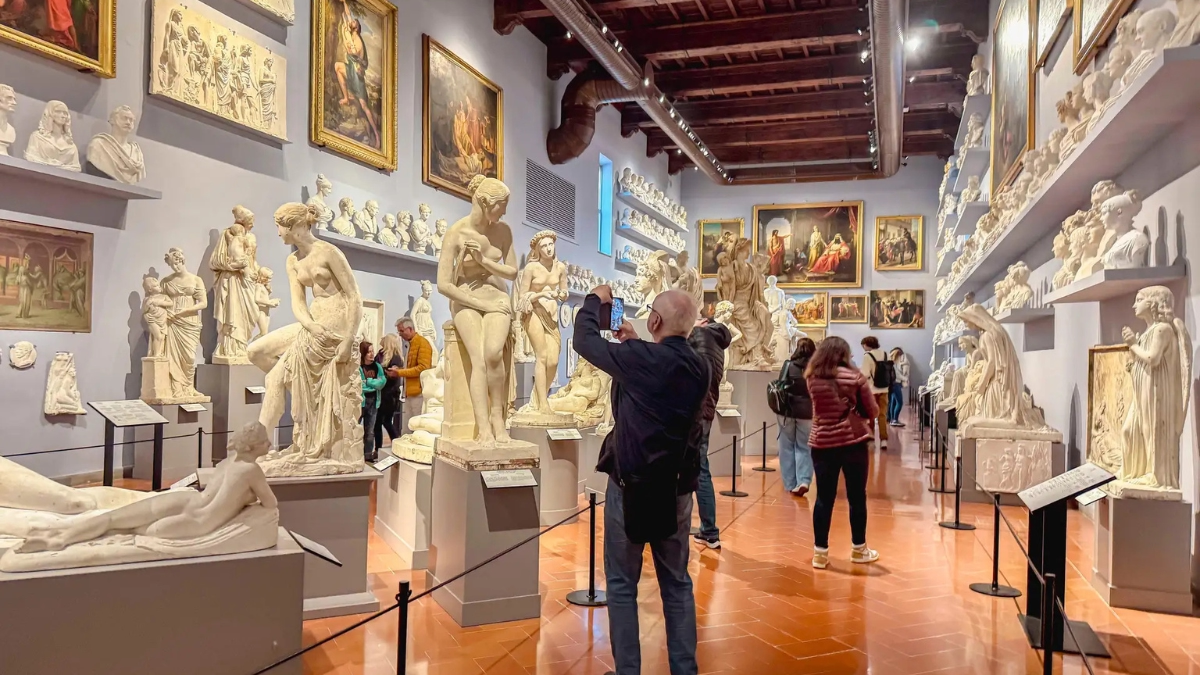
Top Highlights at Accademia Gallery
The headline sights and experiences most visitors want to see first.
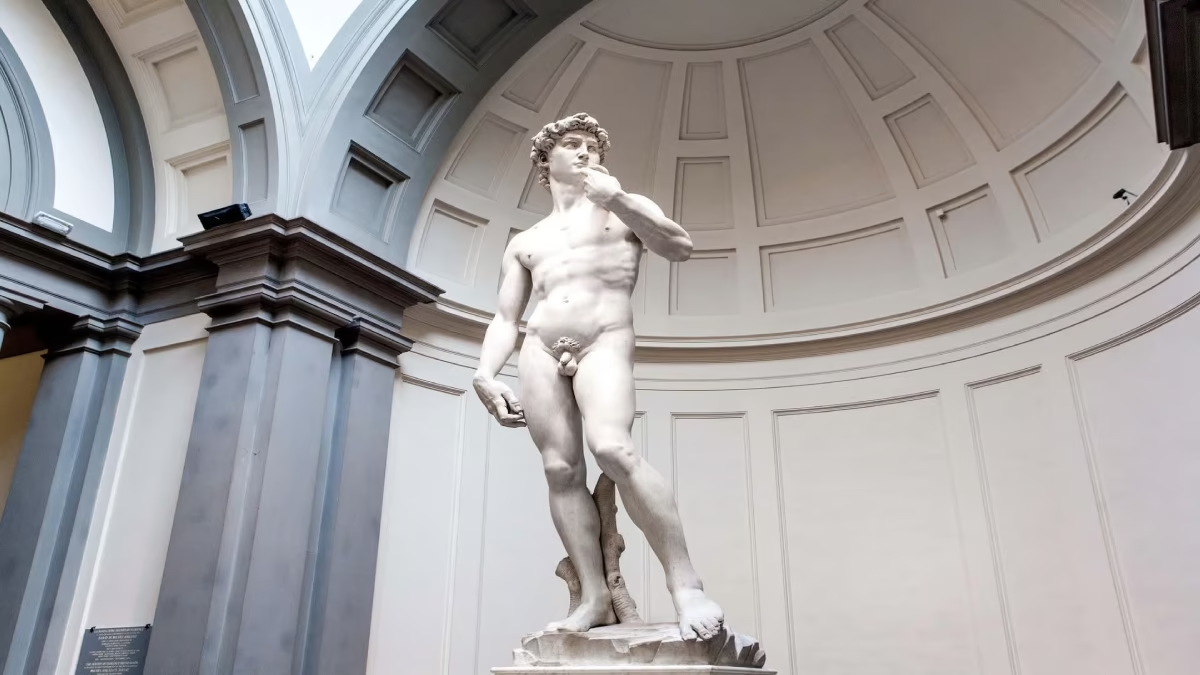
Michelangelo’s David: History & Symbolism
Michelangelo’s David stands 5.17 metres tall in the Tribune Hall — the single work most visitors come to the Accademia to see. Carved from a single block of marble between 1501 and 1504, this guide covers the commission history, symbolic meaning, anatomical details most visitors overlook, and the best way to approach the statue when you arrive.
Explore →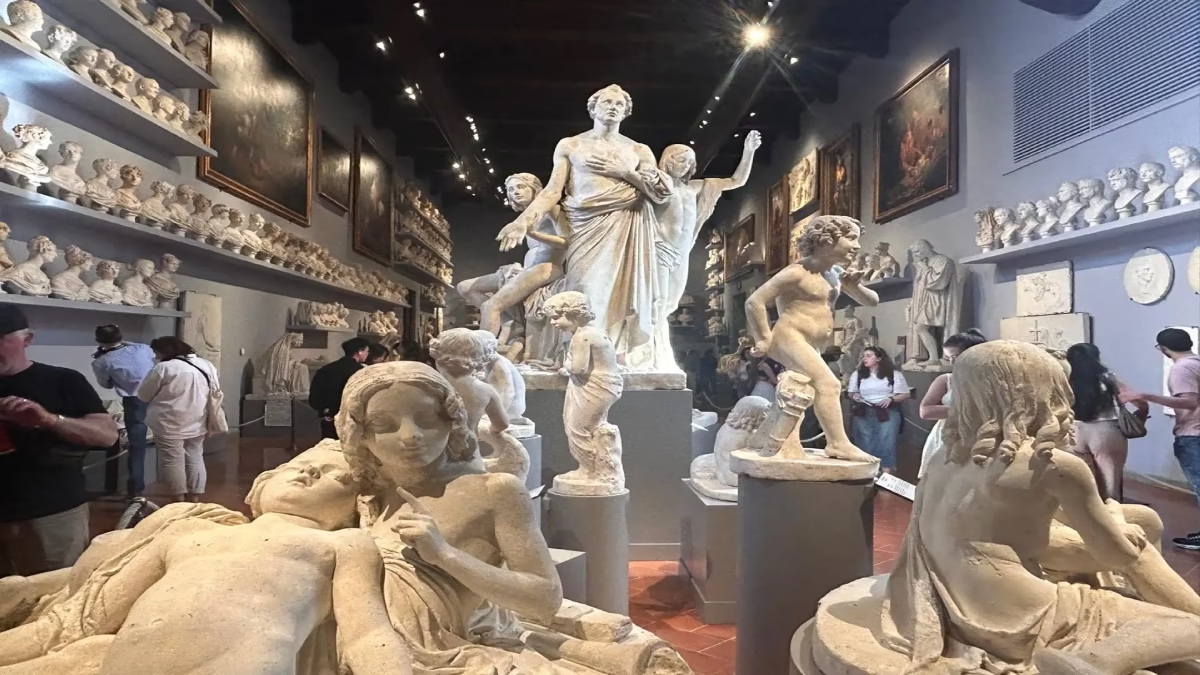
Top 10 Accademia Masterpieces
Michelangelo’s David, his four unfinished Prisoners, and rarities like a Stradivari viola and the world’s earliest surviving piano — these ten works represent the essential Accademia experience across sculpture, painting, and historic instruments.
Explore →Michelangelo’s Masterpieces at Accademia Gallery
Explore David, the Prisoners, and Michelangelo’s paintings up close.
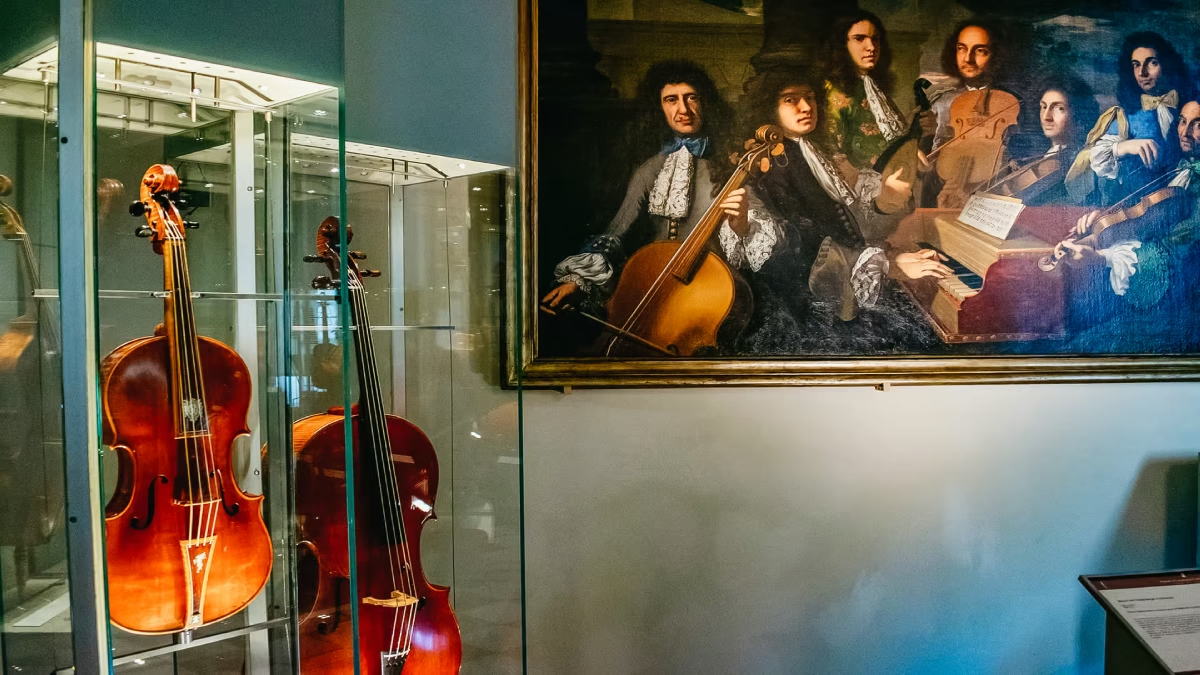
Accademia Musical Instruments Collection
The upper-floor collection houses around 50 rare instruments including pieces by piano inventor Bartolomeo Cristofori and Antonio Stradivari — among the finest surviving examples in Italy.
Read guide →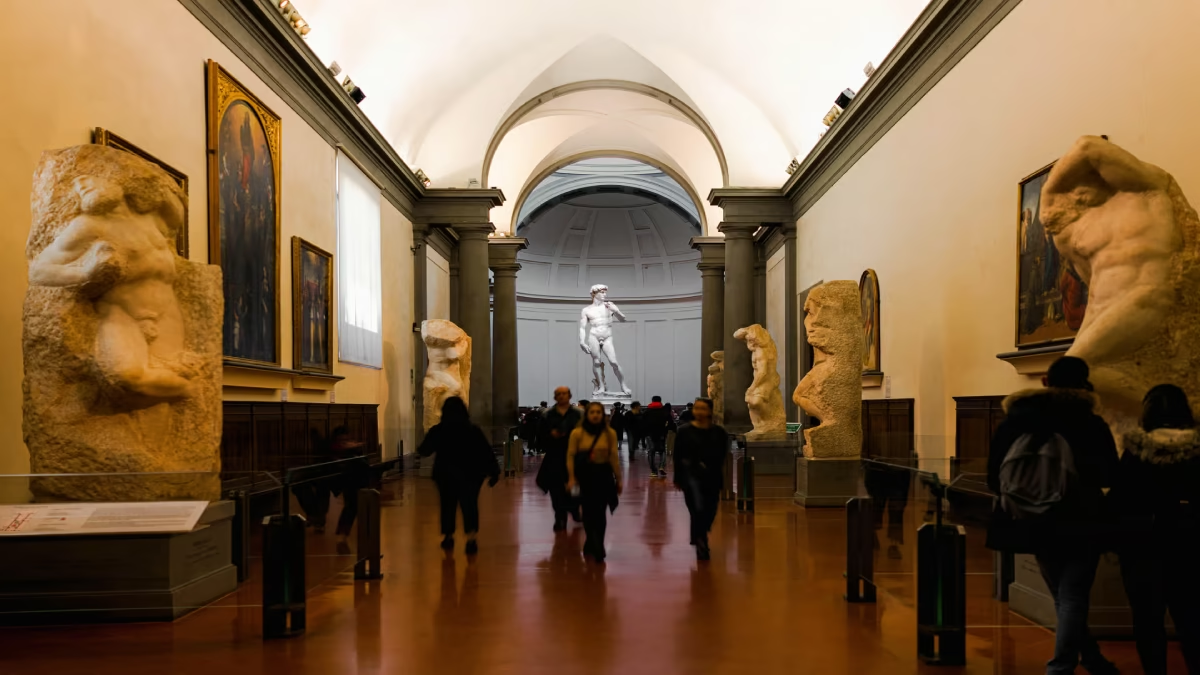
Michelangelo’s Prisoner Sculptures Explained
Explore Michelangelo’s unfinished Prisoners sculptures, originally meant for the Pope Julius tomb, considered among his most important works.
Read guide →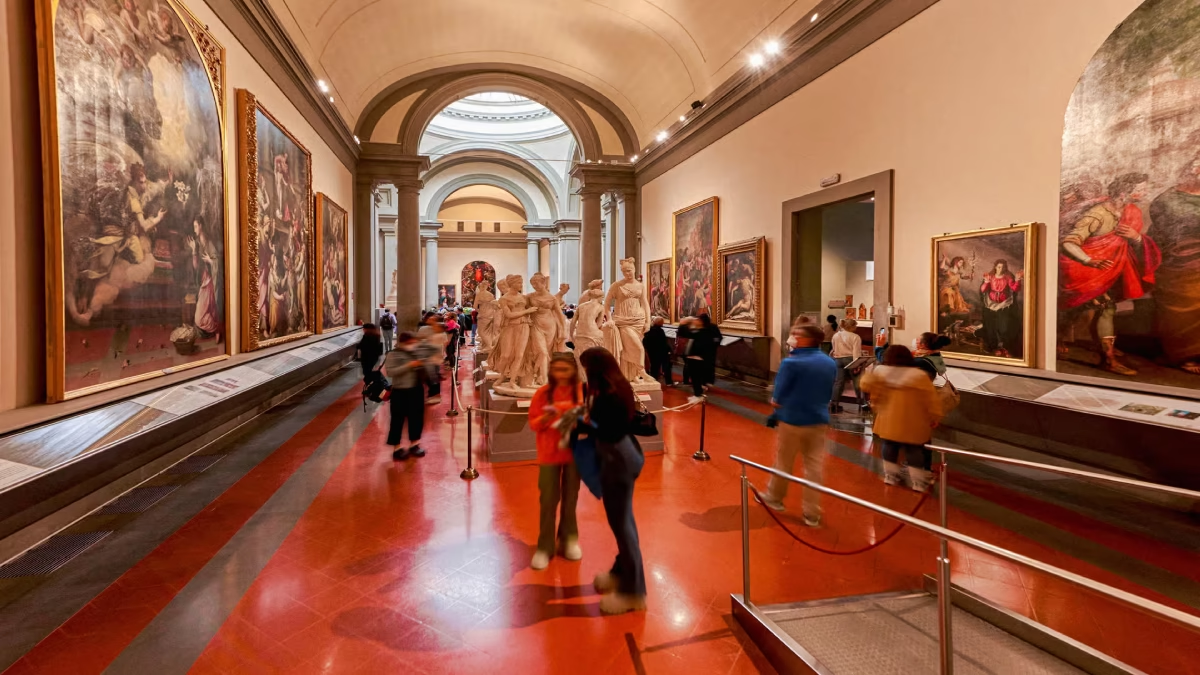
Michelangelo’s Paintings and Sculptures
Discover all of Michelangelo’s major works at the Accademia—David, the Prisoners, and others—with historical context on each piece.
Read guide →Historical Collections Inside Accademia Gallery
Discover the Byzantine and Gothic artworks on display.
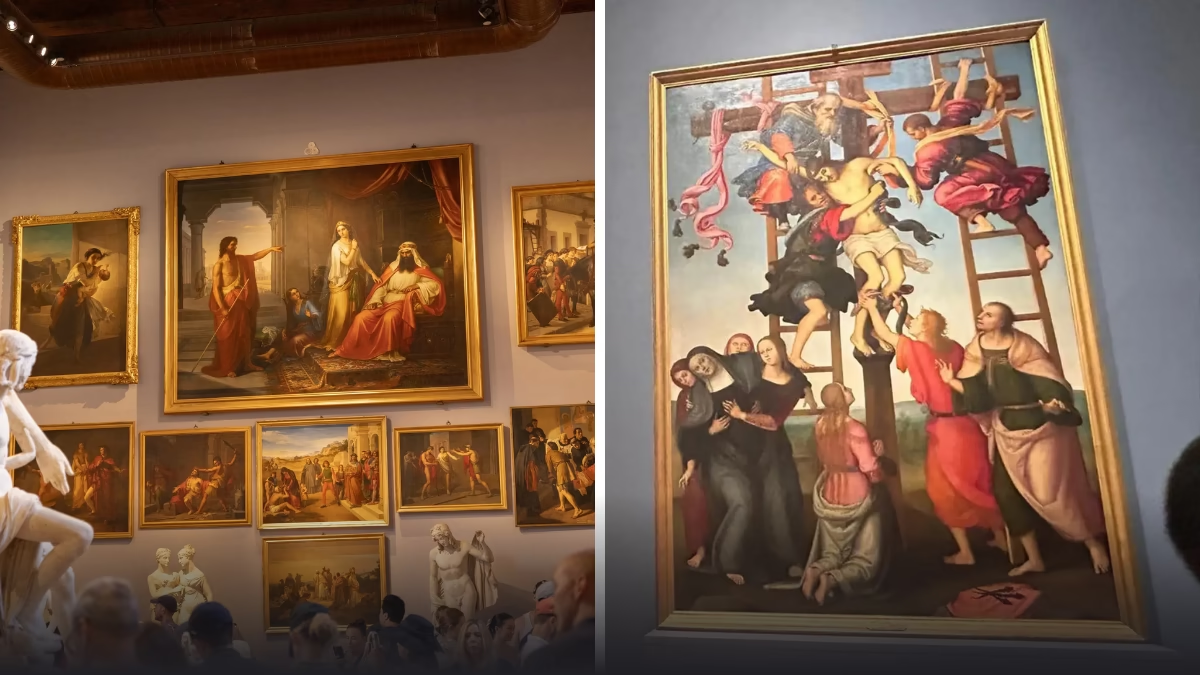
Byzantine & Gothic Art
Explore Italy’s largest gold-ground panel painting collection of Byzantine and Gothic art at the Accademia.
Read guide →Nearby attractions to pair Accademia with
Other Florence galleries and experiences to combine with your Accademia visit.
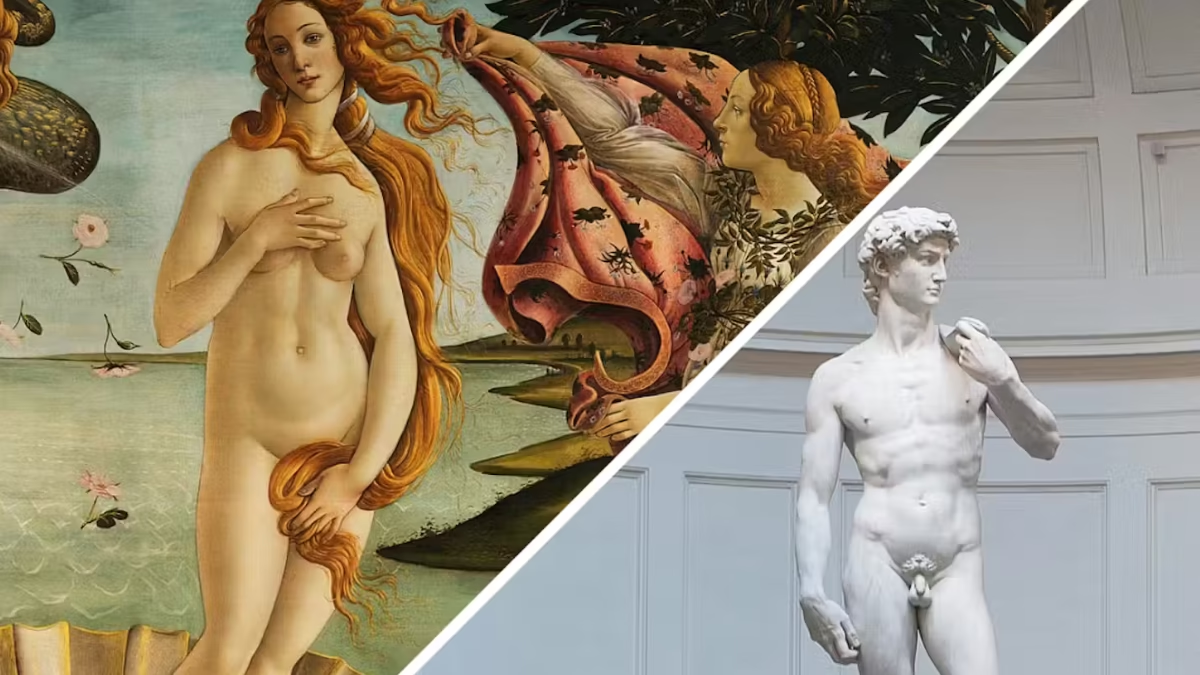
Accademia vs Uffizi Gallery
Compare collections, size, time needed, and prices between the Accademia and Uffizi to choose the right gallery.
Read guide →The Accademia Gallery Building and Its Story
Learn about the gallery’s fascinating history and architecture.
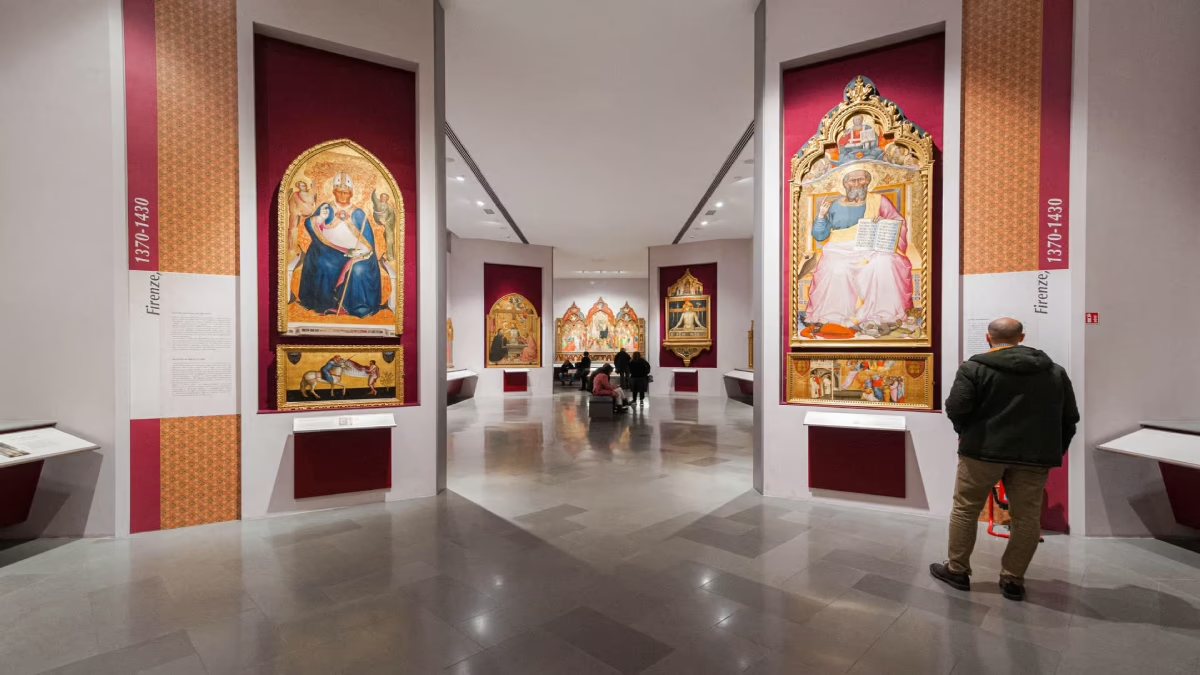
Accademia History & Architecture
Discover how the Accademia transformed from a 14th-century hospital to Renaissance art school and David’s home.
Read guide →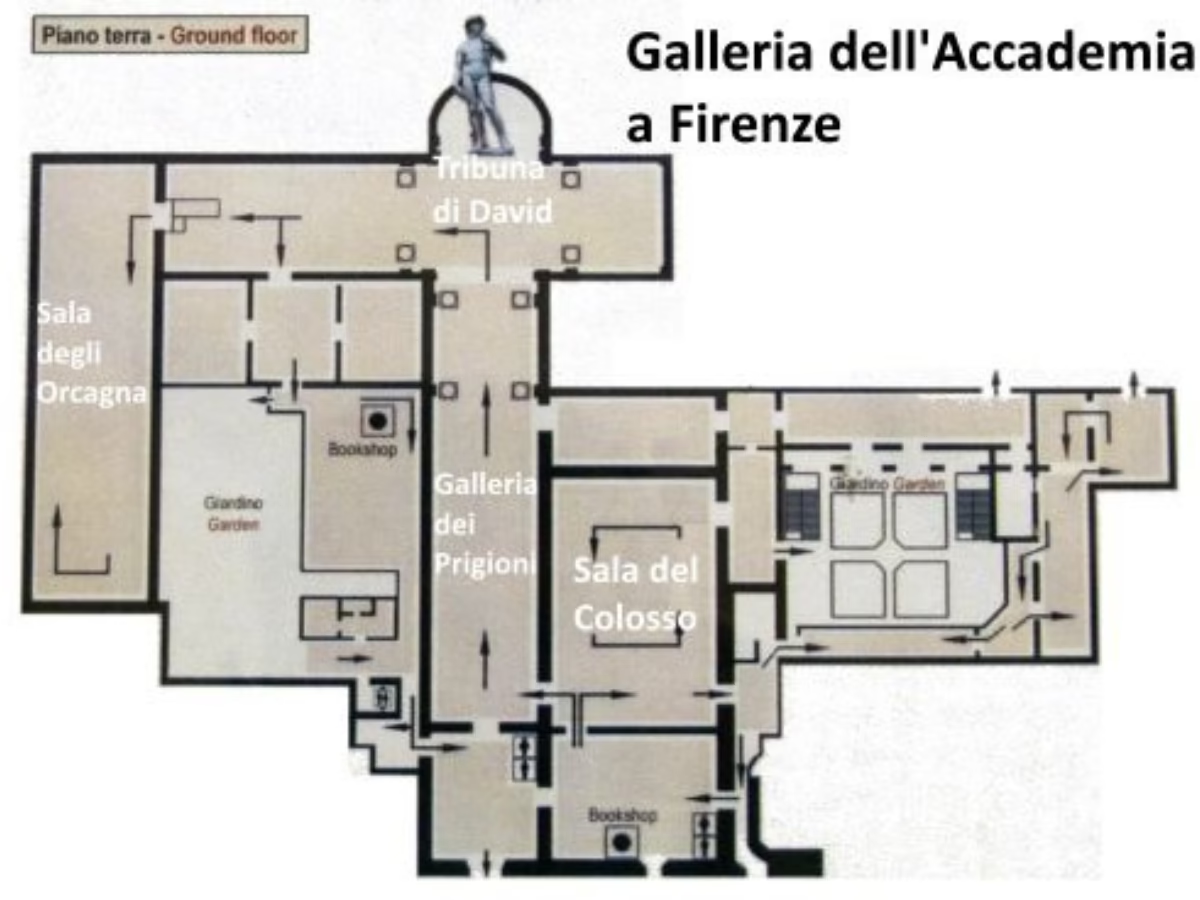
Accademia Map & Floor Plan
Navigate the Accademia with a complete room-by-room layout showing David, musical instruments, and must-see highlights.
Read guide →How to Choose What to See at Accademia Gallery
A quick guide based on your interests and visit style.
Only Have One Hour
With limited time, focus on the works that define the Accademia and skip the rest guilt-free.
- Head straight to the David—study the details most visitors miss, like the oversized right hand and tense left foot
- Walk the Prisoners corridor on your way—these unfinished figures frame the David perfectly
- Glance at the gold-ground panels in the Gothic halls for a 30-second palette cleanser before you leave
First Time in Florence
You want the highlights without overthinking—these picks give you the full Accademia story in one visit.
- Use the top 10 masterpieces list as your walking checklist
- Read up on the David’s symbolism before you arrive—it transforms the experience from photo-op to revelation
- Compare the Accademia’s intimate scale to the Uffizi with our side-by-side guide to plan your second museum day
Beyond Michelangelo
If you already know the David, the Accademia rewards curiosity with collections most visitors walk right past.
- Seek out the musical instruments collection—it holds the world’s oldest surviving piano and rare Stradivarius pieces
- Spend time with the Byzantine and Gothic galleries, home to Italy’s largest collection of gold-ground panel paintings
- Explore the building’s own history—it was a hospital before it became the world’s first art school
Art History Deep Dive
For visitors who want to understand technique and process, Michelangelo left his most revealing evidence here.
- Study the Prisoners sculptures to see Michelangelo’s carving method frozen mid-process—no other museum shows this
- Cross-reference all his works in one place with our complete Michelangelo guide
- Trace the evolution from Byzantine gold-ground panels to Renaissance naturalism without leaving the building
Continue Exploring Accademia Gallery
Book your tickets and plan the practical details of your visit.
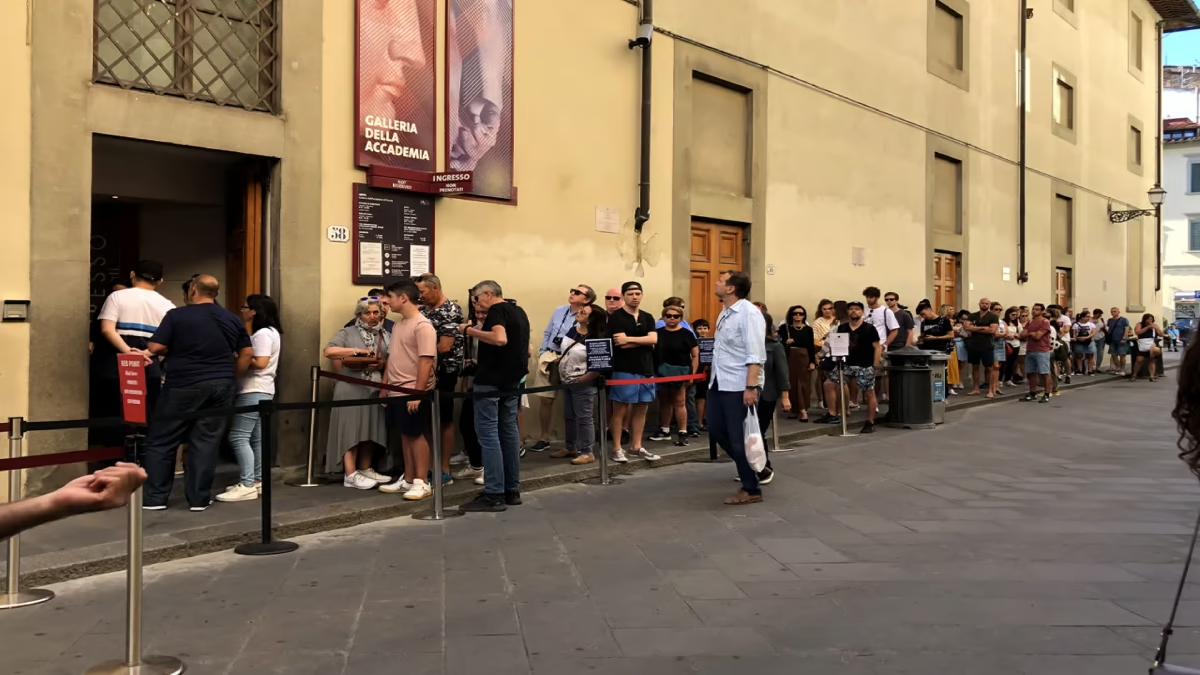
Tickets & Tours
Entry tickets, guided tours, private tours, and combo packages. Book online in advance.
Explore all ticket options →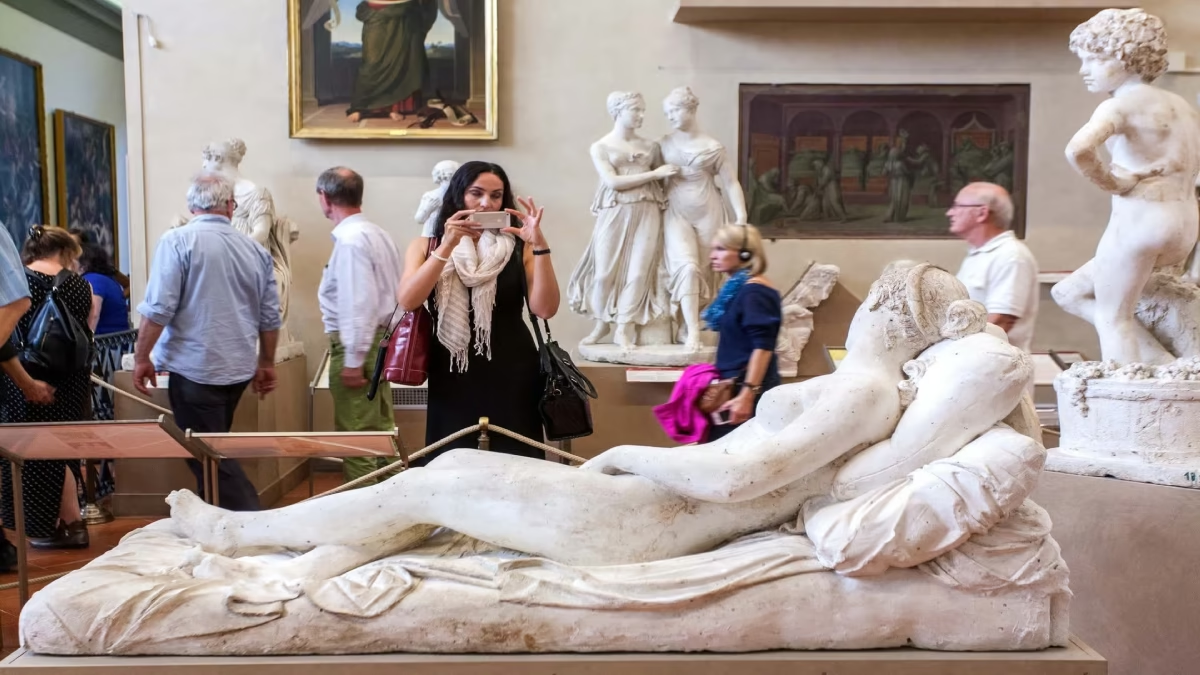
Plan Your Visit
Opening hours, how to get there, what to expect, dress code, and practical visitor information.
Explore planning guides →Frequently Asked Questions
Common questions about what to see and prioritise.